
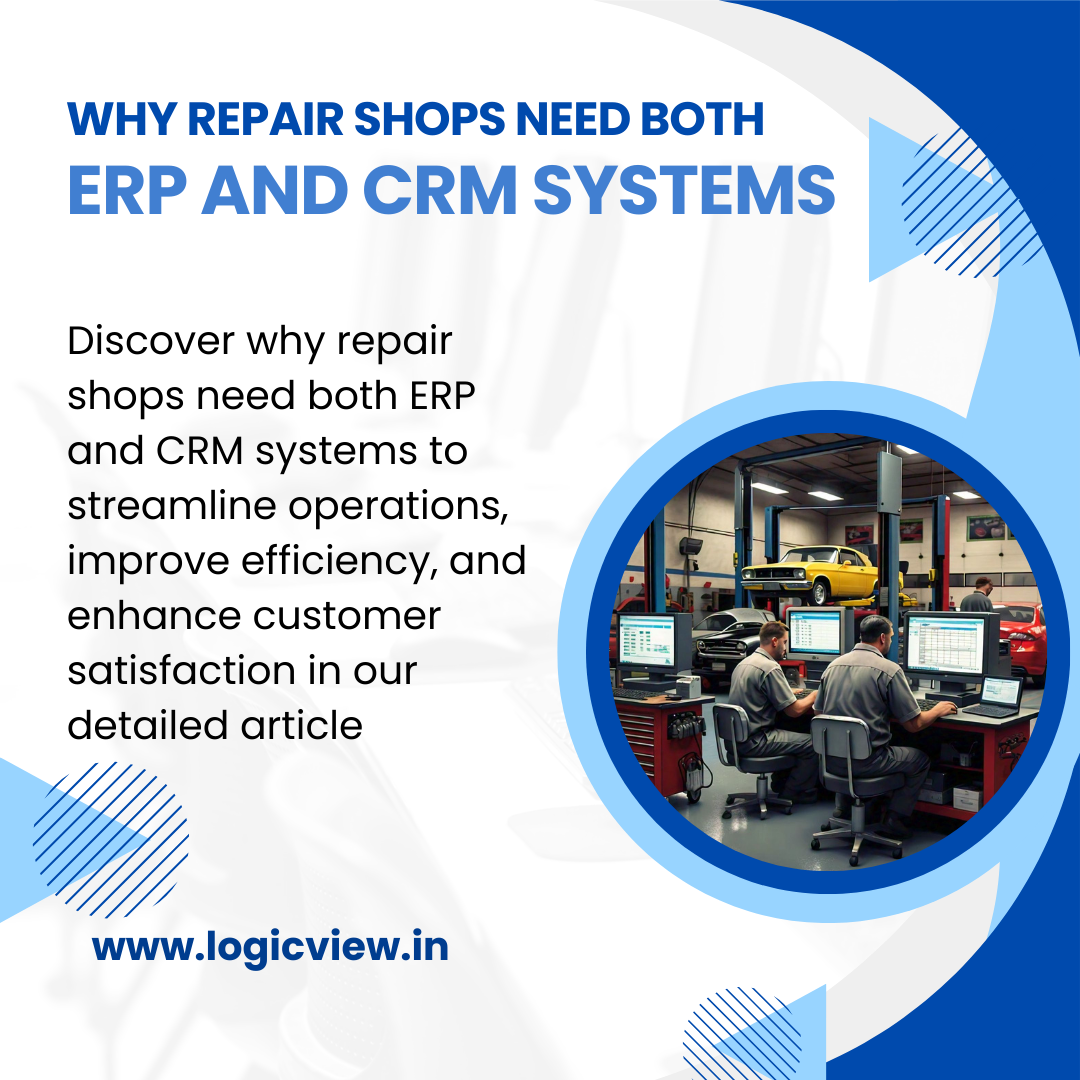
Why Repair Shops Need Both ERP and CRM Systems
Introduction
Running a repair shop today is more than just fixing things; it’s about efficiently managing operations and keeping customers happy. That’s where technology comes in, specifically ERP and CRM systems. These tools can transform how your repair shop functions, making it more streamlined and customer-focused. But why do you need both ERP and CRM systems? Let’s dive into Why Repair Shops Need Both ERP and CRM Systems.
Understanding ERP Systems
Definition and Functions
ERP (Enterprise Resource Planning) systems are software platforms that help manage and automate various business processes. These include inventory management, accounting, human resources, and more. Essentially, an ERP system acts as the backbone of your business operations.
Benefits for Repair Shops
For repair shops, an ERP system can significantly enhance efficiency. Imagine having a system that tracks your inventory levels in real-time, manages your finances, and schedules your workforce. It reduces manual work and errors, freeing up your time to focus on what you do best—repairing.
Understanding CRM Systems
Definition and Functions
CRM (Customer Relationship Management) systems are designed to manage interactions with current and potential customers. They store customer information, track interactions, and help with sales and marketing efforts.
Benefits for Repair Shops
A CRM system in a repair shop can mean better customer service. It helps you keep track of customer preferences, history, and feedback. With this information, you can offer personalized services, follow up on repairs, and ensure your customers are satisfied and loyal.
ERP vs. CRM: What’s the Difference?
Core Functionalities
While both ERP and CRM systems aim to streamline business processes, their core functionalities differ. ERP focuses on internal processes, such as inventory and workforce management, while CRM focuses on external interactions, like sales and customer service.
Key Differences
- ERP: Manages resources and processes within the company.
- CRM: Manages customer interactions and relationships. Both are essential, but they fulfill different roles.
The Synergy of ERP and CRM Systems
How They Complement Each Other
When integrated, ERP and CRM systems provide a comprehensive solution. ERP handles the operational side, ensuring your shop runs smoothly, while CRM focuses on customer satisfaction. Together, they create a powerful tool that boosts efficiency and customer relations.
Case Studies of Successful Integration
Consider a repair shop that integrated both systems. They saw a 20% increase in operational efficiency and a 30% improvement in customer satisfaction. By having real-time access to inventory and customer data, they could provide faster and more accurate services.
Streamlining Operations with ERP
Inventory Management
ERP systems track inventory levels in real-time, reducing the risk of overstocking or running out of parts. This ensures you always have the right parts when you need them.
Financial Tracking
Keep your finances in check with ERP. It automates accounting tasks, tracks expenses, and generates financial reports, helping you make informed decisions.
Workforce Management
Schedule and manage your workforce efficiently. ERP systems can track employee hours, manage payroll, and optimize work schedules to ensure your team is always at its best.
Enhancing Customer Relations with CRM
Customer Data Management
CRM systems store detailed customer information, allowing you to personalize your services. Know your customers’ preferences and history to provide a tailored experience.
Marketing Automation
Automate your marketing efforts with CRM. Send targeted emails, track campaign performance, and convert leads into loyal customers effortlessly.
Sales Tracking
Keep track of your sales pipeline and customer interactions. CRM systems help you manage leads, close deals, and monitor sales performance, ensuring no opportunity slips through the cracks.
Improving Efficiency and Productivity
Workflow Automation
Both ERP and CRM systems offer workflow automation, reducing manual tasks and increasing productivity. Automate routine tasks, so your team can focus on more critical activities.
Real-Time Data Access
With real-time data access, you can make quicker and more informed decisions. Whether it’s inventory levels or customer feedback, having the latest information at your fingertips is invaluable.
Enhanced Reporting
Generate comprehensive reports with ease. Both systems provide detailed analytics and insights, helping you track performance and identify areas for improvement.
Boosting Customer Satisfaction
Personalized Service
Use CRM data to offer personalized services. Remembering customer preferences and history shows you care, building trust and loyalty.
Timely Communication
Keep your customers informed with timely communication. Whether it’s updates on their repair status or follow-up messages, CRM ensures you stay connected.
Feedback Management
Collect and manage customer feedback efficiently. Use this information to improve your services and address any issues promptly, ensuring your customers are always satisfied.
Integrating ERP and CRM Systems
Integration Strategies
Integrating ERP and CRM systems can be challenging but worthwhile. Choose systems that are compatible and offer seamless integration options.
Choosing the Right Software
Research and select software that fits your repair shop’s needs. Consider factors like ease of use, scalability, and cost when making your decision.
Implementation Tips
Plan your implementation carefully. Train your staff, migrate data accurately, and test the systems thoroughly before going live to ensure a smooth transition.
Challenges and Solutions
Common Integration Challenges
Integrating ERP and CRM systems can present challenges, such as data silos and compatibility issues. Address these by choosing compatible systems and planning the integration process meticulously.
Overcoming Resistance to Change
Change can be daunting for employees. Involve them in the process, provide adequate training, and highlight the benefits to gain their buy-in and ease the transition.
Ensuring Data Security
Data security is paramount. Ensure your systems have robust security measures to protect sensitive information and comply with relevant regulations.
Cost Considerations
Initial Investment vs. Long-Term Benefits
While the initial investment in ERP and CRM systems can be high, the long-term benefits often outweigh the costs. Increased efficiency, better customer service, and improved profitability make it a worthwhile investment.
Budgeting for ERP and CRM
Create a budget that includes software costs, implementation, training, and ongoing maintenance. Plan for these expenses to ensure a smooth and successful integration.
Future Trends in ERP and CRM for Repair Shops
AI and Machine Learning
AI and machine learning are transforming ERP and CRM systems. These technologies can automate tasks, provide predictive insights, and enhance decision-making capabilities.
Mobile Accessibility
Mobile access is becoming increasingly important. Ensure your ERP and CRM systems offer mobile-friendly options, allowing you and your team to access information on the go.
Cloud-Based Solutions
Cloud-based ERP and CRM systems offer flexibility, scalability, and cost savings. They allow you to access your systems from anywhere, making them ideal for modern repair shops.
Conclusion
In today’s competitive market, repair shops need to leverage technology to stay ahead. ERP and CRM systems offer a powerful combination that streamlines operations and enhances customer relations. By integrating these systems, you can improve efficiency, boost customer satisfaction, and drive your repair shop’s success.
FAQs
1. What are ERP and CRM systems?
ERP (Enterprise Resource Planning) systems manage internal business processes like inventory, finance, and workforce management. CRM (Customer Relationship Management) systems focus on managing customer interactions and relationships.
2. How do ERP and CRM systems work together?
When integrated, ERP and CRM systems provide a comprehensive solution. ERP handles operational processes, while CRM focuses on customer interactions, creating a seamless workflow and better customer service.
3. What are the benefits of integrating ERP and CRM in a repair shop?
Integrating ERP and CRM systems enhances efficiency, improves customer service, and provides real-time data access. It streamlines operations, automates tasks, and ensures better customer management.
4. How much does it cost to implement ERP and CRM systems?
The cost varies based on the size of your repair shop, the features you need, and the software you choose. Consider initial investment, implementation, training, and ongoing maintenance costs.
5. What are some common challenges in integrating ERP and CRM systems?
Common challenges include data silos, compatibility issues, and resistance to change. Address these by choosing compatible systems, planning the integration process carefully, and providing adequate training.

Logicview it solutions (OPC) Pvt Ltd
We are a leading software and website development company based in Warangal, Telangana, India. We specialize in providing innovative and customized solutions to meet the unique needs of businesses across various industries. Our services include high-quality web design, robust software development, and comprehensive digital solutions, all aimed at enhancing your online presence and driving business growth. With a focus on delivering excellence, we are committed to helping our clients achieve their goals through technology.